Antonia Portalupi
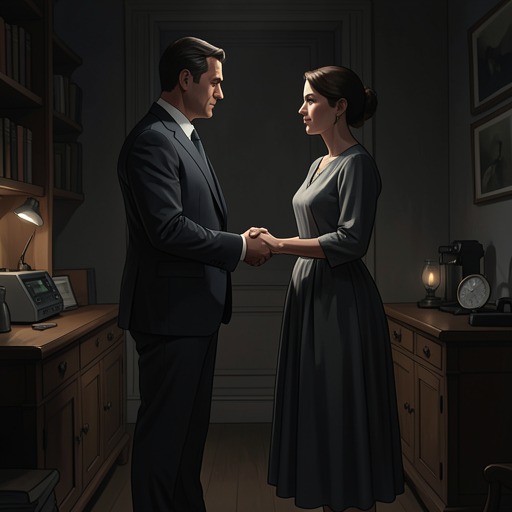
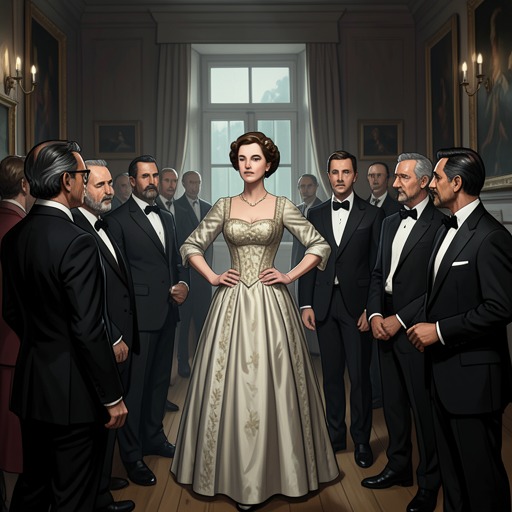
The Florios of SicilyAntonia Portalupi is the ailing mother of Giulia and Giovanni, and the wife of Tommaso Portalupi. Her place in the family is defined by a recurring tension: she cares for her daughter, but illness, relocation, and concern for family standing limit the help she can offer. When Giulia’s relationship with Vincenzo Florio results in a pregnancy outside marriage, Antonia confronts the crisis first as a threat to the family’s respectability and then as a painful separation she cannot prevent.
Identity and Family Background
Antonia enters the story as a middle-aged woman with a strong-featured face and a warm expression. Giovanni introduces her to Vincenzo, who has just concluded a sulfur-supply contract with the Portalupis. The formal introduction places her in a household where business and family obligations meet, although Antonia herself describes business as a man’s domain, beyond women’s understanding.
Her health is fragile. A coughing fit interrupts her conversation with Giulia, and she must sit down; she says that Palermo’s mild climate has improved her condition, agreeing with her physician’s advice. Her illness is identified as consumption, and the family’s move from Milan was made because the cold and fog there had become intolerable for her. The relocation therefore brings relief, but also costs: the Portalupis have left economic security and their comfortable home near the Navigli for a city Antonia finds difficult and excessive. She misses Milan’s shops, central buildings, subdued beauty, familiar tastes, and even its morning mist, and feels guilty that her illness has overturned the family’s life.
Household Responsibilities and Relationship with Giulia
Antonia’s illness does not remove her from the household’s practical demands. When Tommaso invites Vincenzo to dinner to secure the goodwill of a wealthy and well-connected man, Giulia takes responsibility for the preparations, with Antonia’s help expected. Giulia offers to manage the meal, but Antonia is still present in the kitchen as her daughter prepares it. Watching Giulia work, Antonia recognizes her skill and feels guilt that a daughter past twenty remains without a family of her own. Her own recurring need for treatment and attention adds to that sense of dependence.
The relationship between mother and daughter is neither simple opposition nor uncomplicated refuge. When Giulia later comes to her mother after revealing her pregnancy, she hopes for comfort and protection. Instead, Antonia is crying and focused on the family crisis and her own frailty. Giulia experiences this as a failure of the maternal shelter she needs. Antonia’s distress does not make her indifferent; it shows how little strength she has available at the moment when Giulia most needs it.
The Pregnancy and Its Consequences
When Giulia’s pregnancy becomes known, Antonia reacts with alarm at the prospect of a child born outside marriage. That evening, after Tommaso and Giovanni return and Giovanni has stopped cursing Vincenzo, she raises what she presents as a possible solution: a small payment to a discreet midwife, followed by a painful procedure that would conceal the pregnancy. Giulia refuses, firmly and with her eyes lowered.
Antonia then tells Giulia to leave Palermo and return to Milan, where she can stay with Aunt Lorena, Antonia’s sister, give birth, and decide what happens afterward. The instruction is an attempt to manage the consequences of the pregnancy by removing Giulia from the city and its scrutiny. But it runs directly against Giulia’s choice: she does not want to go, and is willing to endure the social insults attached to her situation because she wants to stay with Vincenzo. Antonia’s decision thus joins maternal concern to family reputation, while leaving little room for the future Giulia has chosen for herself.
Antonia is still present when Giulia gives birth. Giulia asks her mother to leave the room so that she can speak with Vincenzo; Antonia and the midwife exchange a puzzled look, since it is early for the new mother to be up. Antonia hesitates, then gathers the stained towels and takes Angela and Giuseppina with her, making space for the conversation. The brief action does not erase the earlier conflict, but it shows Antonia responding to Giulia’s request at a significant moment in the birth of her child.
Later Family Life and Narrative Significance
Antonia remains part of the family’s later household. Years afterward, during a visit from Vincenzo, Giulia asks her mother whether she can step out so that she may speak with him privately. At another family moment, Vincenzo finds his mother praying with a rosary before going to bed; she answers that prayers come first. The narrative notes that Donna Giuseppina has become very religious, while leaving open whether this is a genuine change, an effect of age, or fear of the unknown after a life with little happiness. The episode places Antonia within the continuing domestic life of the family without supplying a definitive account of her later inner life.
Antonia’s story is shaped by the difference between what a mother is expected to provide and what circumstances allow her to do. She is ill and dependent on care, yet also participates in the decisions that govern Giulia’s future. Her effort to protect the family from shame conflicts with Giulia’s desire to remain with Vincenzo, while the move from Milan to Palermo shows how illness can reorder an entire household. Through Antonia, the family’s private choices are shown to be constrained not only by affection but by health, gendered authority, respectability, and the practical costs of survival.